Buxus macowanii
Specifications
Family
Buxaceae
Species
Buxus macowanii Oliv.
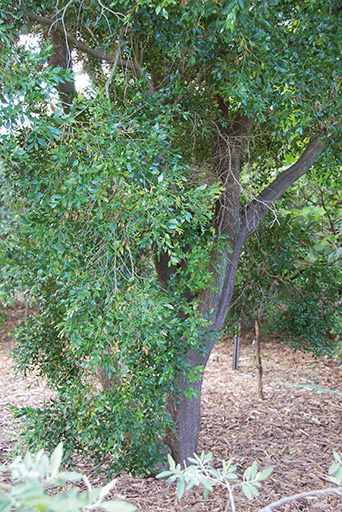
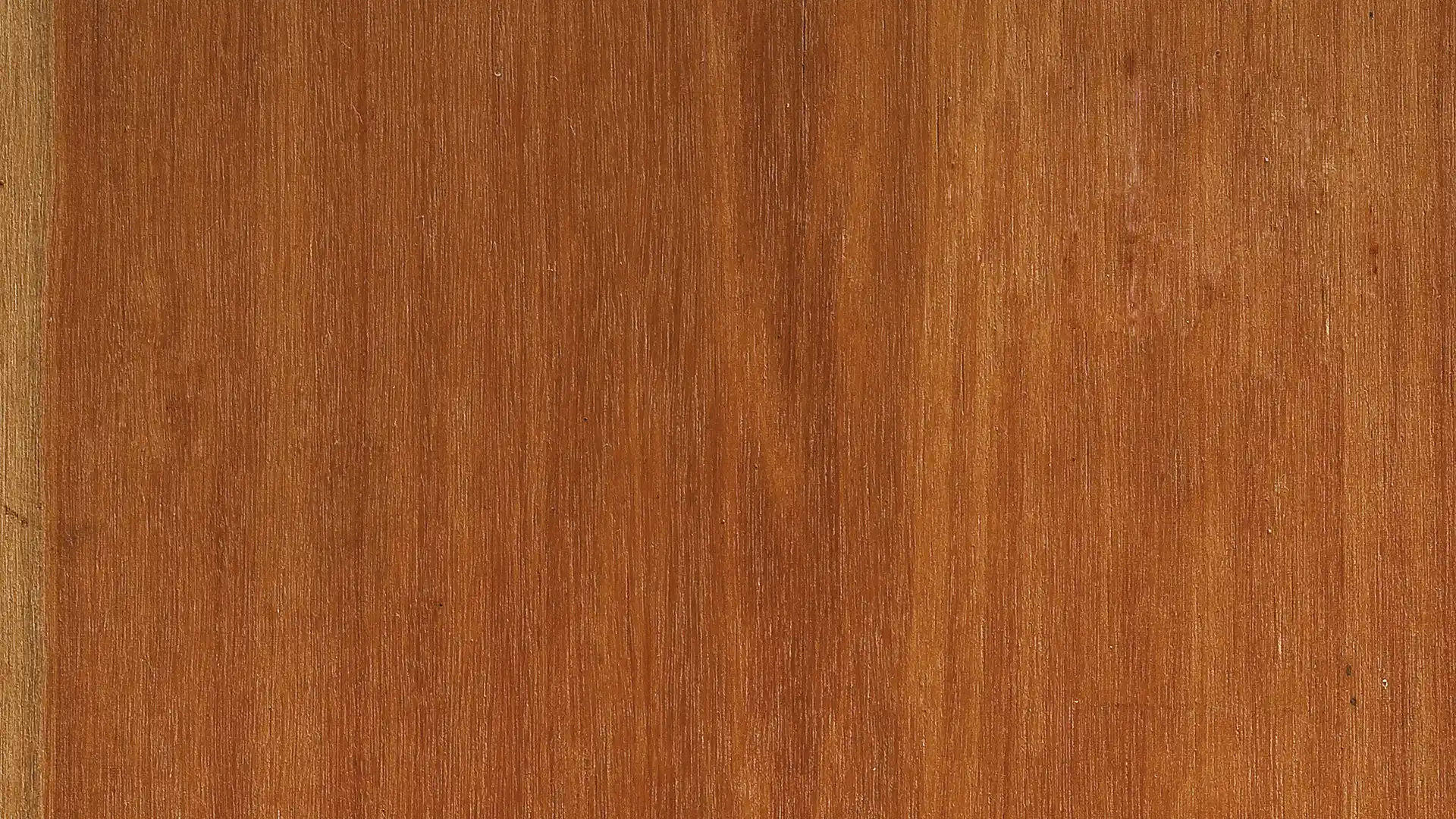
A small, slow-growing tree that can reach 9 m in height. The trunk is slender and can reach 30 cm in diameter. The bark is smooth and gray-brown. The leaves are opposite, up to 2.5 cm long, oval-lanceolate, dark green, with barely visible veins.
Eastern South Africa: Natal Province.
This species grows predominantly at the transition between temperate and subtropical forests; in particular, it prefers well-drained soils, hillsides, and dry valleys; it can also grow in coastal areas.
It is used for lathe work, small objects, and cabinet making.
No specific threats have been reported for this species, although logging has certainly led to a decline in its populations in the past (at a rate that, however, remains unknown at this time).
In South Africa, responsible forestry management is currently promoted, and the species is present in numerous protected areas throughout the country. Specimens of this species are also preserved in several ex situ collections (BGCI 2017).
LC - Least Concern - Low Risk
CITES Italia • Ultimo aggiornamento
Not present.
It has a higher specific weight than water, so when immersed, it sinks.