Dalbergia cearensis
Specifications
Family
Fabaceae
Species
Dalbergia cearensis Ducke
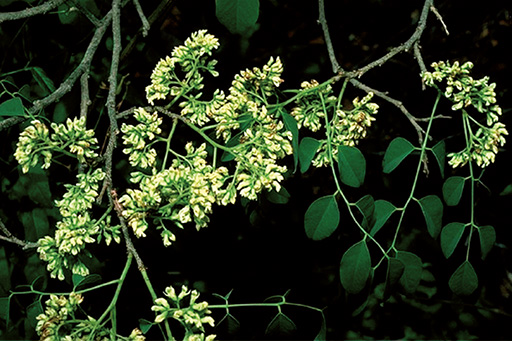
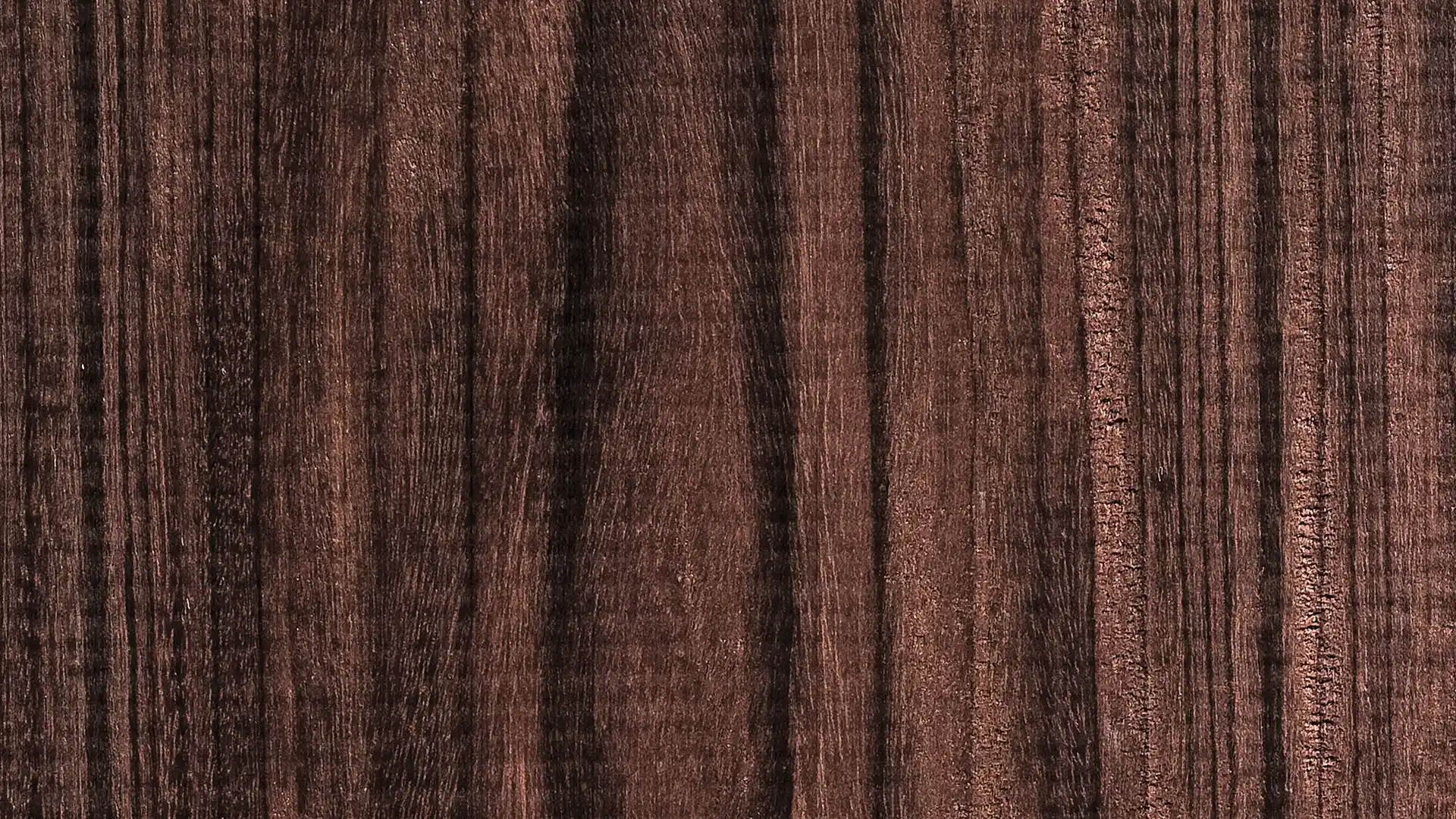
It is a deciduous tree 15 to 20 m tall with a broad, open crown and pinnate leaves and trunks 30 to 40 cm in diameter. It flowers in the winter months with the arrival of the rainy season.
Brazil: Bahia, Ceara, Paraiba, Pernambuco, Piaui.
It is a typical species of the caatinga, an arid-loving plant formation exclusive to Brazil characterized by trees with leathery leaves or even none at all for a good part of the year and which turn green only in winter with the arrival of the rains.
Widely used in the furniture industry and for turned parts.
The conservation of this species is closely linked to the conservation of its habitat: the caatinga. This is threatened by various factors, such as agricultural expansion (particularly related to the cultivation of sugarcane, cotton, and soybeans), grazing (which has been linked to soil compaction, the invasion of exotic species, and changes in vegetation structure), and the direct harvesting of tree species for both luxury furniture production and charcoal production.
It is necessary to implement habitat conservation measures and regulate the collection and trade of this species. The species is currently listed in Appendix II of CITES.
NT - Near threatened - Close to threat
CITES Italia • Ultimo aggiornamento
Appendix II
Obvious
Fine
Very durable
Resistant